
NV themes hero
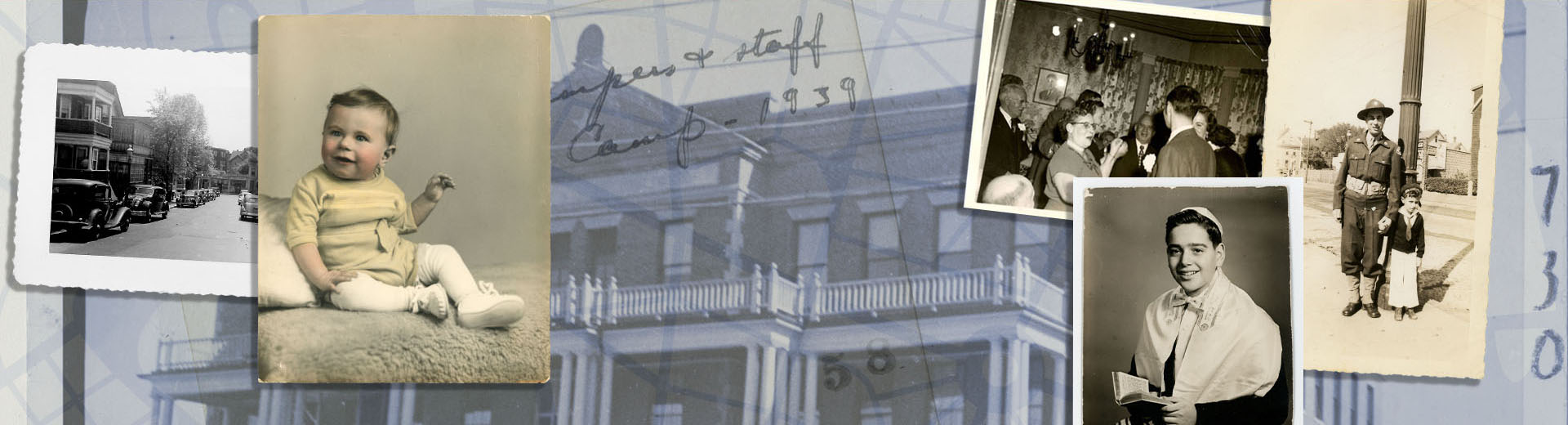
Neighborhood Voices Themes
The following themes emerged from the oral histories across all three neighborhoods. They capture the common threads of our narrators’ experiences growing up as first and second-generation members of Jewish American families in the first half of the 20th century.
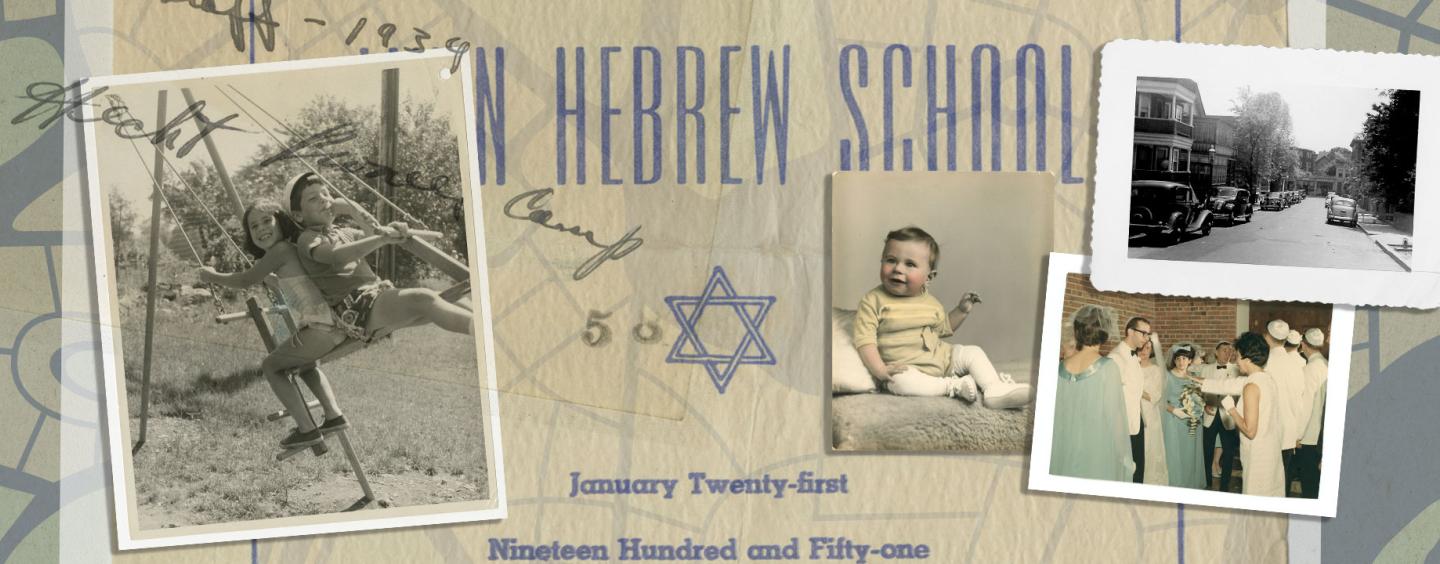
For our narrators, Jewish family life was defined by the customs and practices of their immigrant parents and grandparents. Most recall Yiddish being spoken in their homes, the cycles of Shabbat and holidays around which family life centered, and absorbing strong Jewish values from their elders.
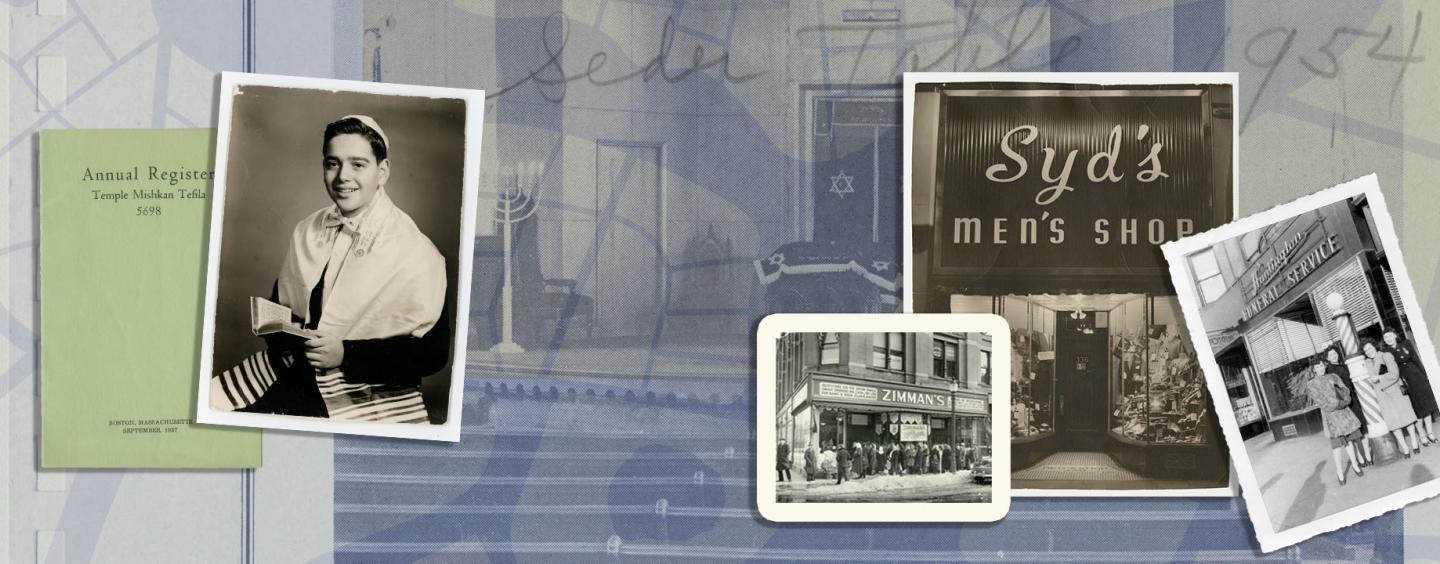
Our narrators told rich, descriptive stories about the Jewish daily life and character of their neighborhoods. Their remembrances bring alive streets filled with shops, triple-decker houses, and Yiddish-speaking neighbors; describe weekly visits to synagogue and Hebrew school; and capture a bond and community spirit of Jewish families looking out for one another.
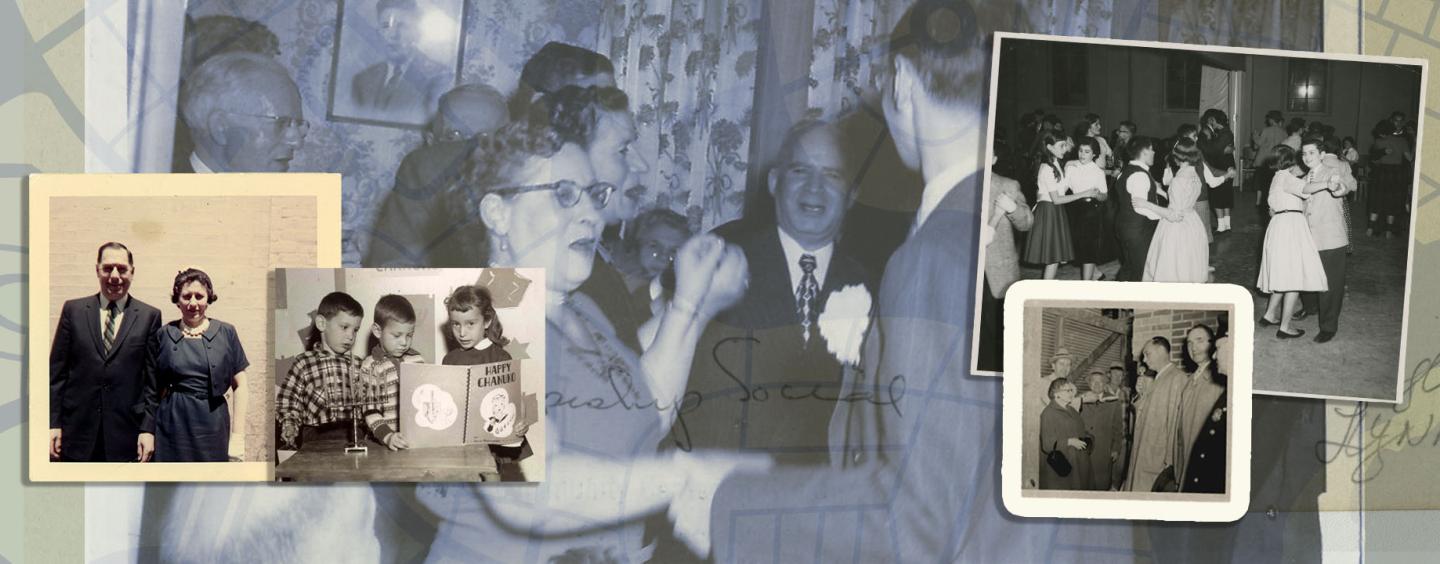
Our narrators shared memories of their relationships with non-Jewish neighbors—both positive and negative. Many recalled the powerful, formative education about other cultures and religions that they gained through their friendships with non-Jewish friends and neighbors. Alongside these positive interactions, many also remembered experiencing or witnessing antisemitism and discrimination.
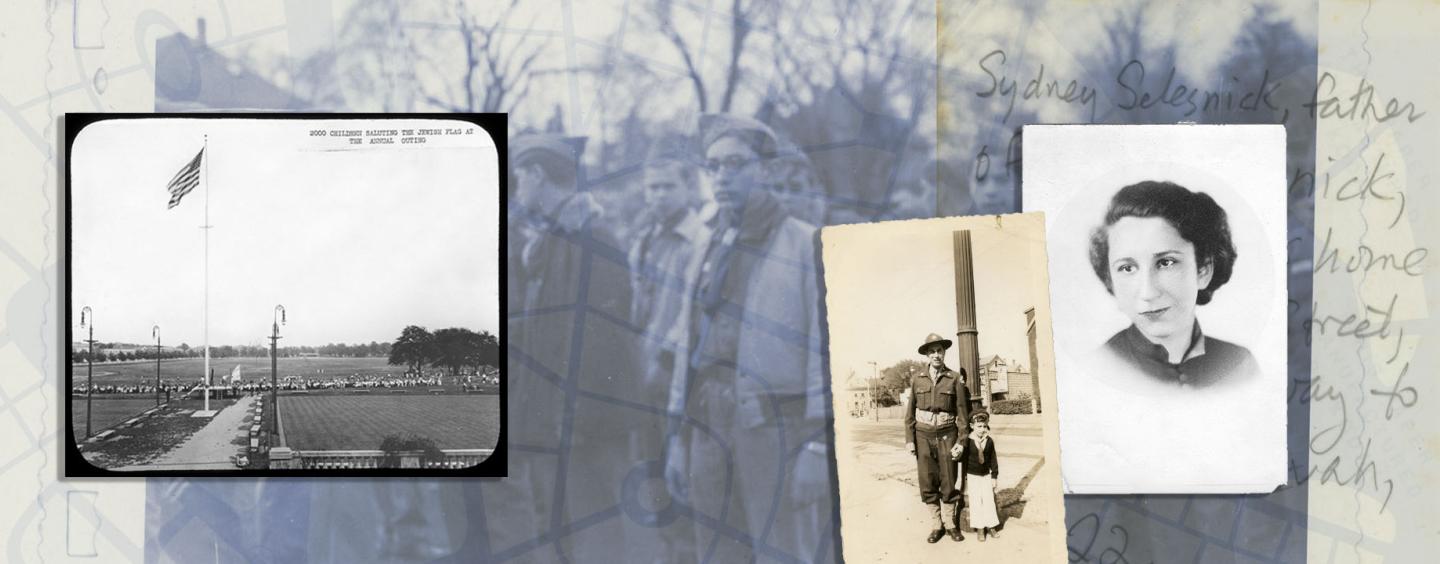
Those of our narrators who were old enough to remember World War II recalled life during wartime America. While experiencing shortages and privation at home, they had little awareness of what was happening across the ocean—perhaps because they were children sheltered by their families and communities, perhaps because Americans in general weren’t receiving adequate information about the Holocaust. Many narrators said their understanding of the Holocaust came only later, as survivors and refugees began to move into their neighborhoods.
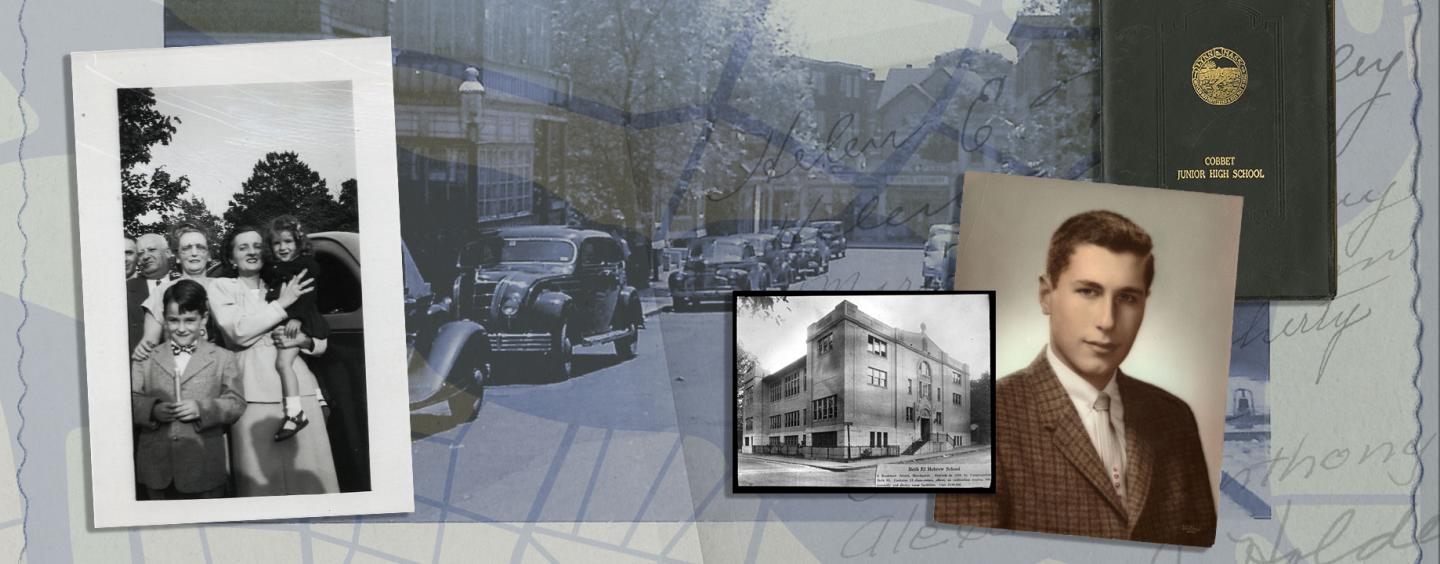
As first and second-generation Jewish Americans, our narrators were encouraged by their immigrant parents and grandparents to pursue education and to strive for social, economic, and professional opportunity. Even as they remembered their formative years in urban neighborhoods, many spoke of Jewish middle-class families moving to suburban communities—part of a wave of assimilation and aspiration. In some cases, particularly in Dorchester and Roxbury, this movement also represented an uneasy exodus from changing neighborhoods that had once been strongholds of Jewish immigrant life.
Thank you for visiting! Please consider supporting the Jewish Heritage Center’s work to preserve, explore, and advance understanding of Jewish history and heritage.
Donate Now